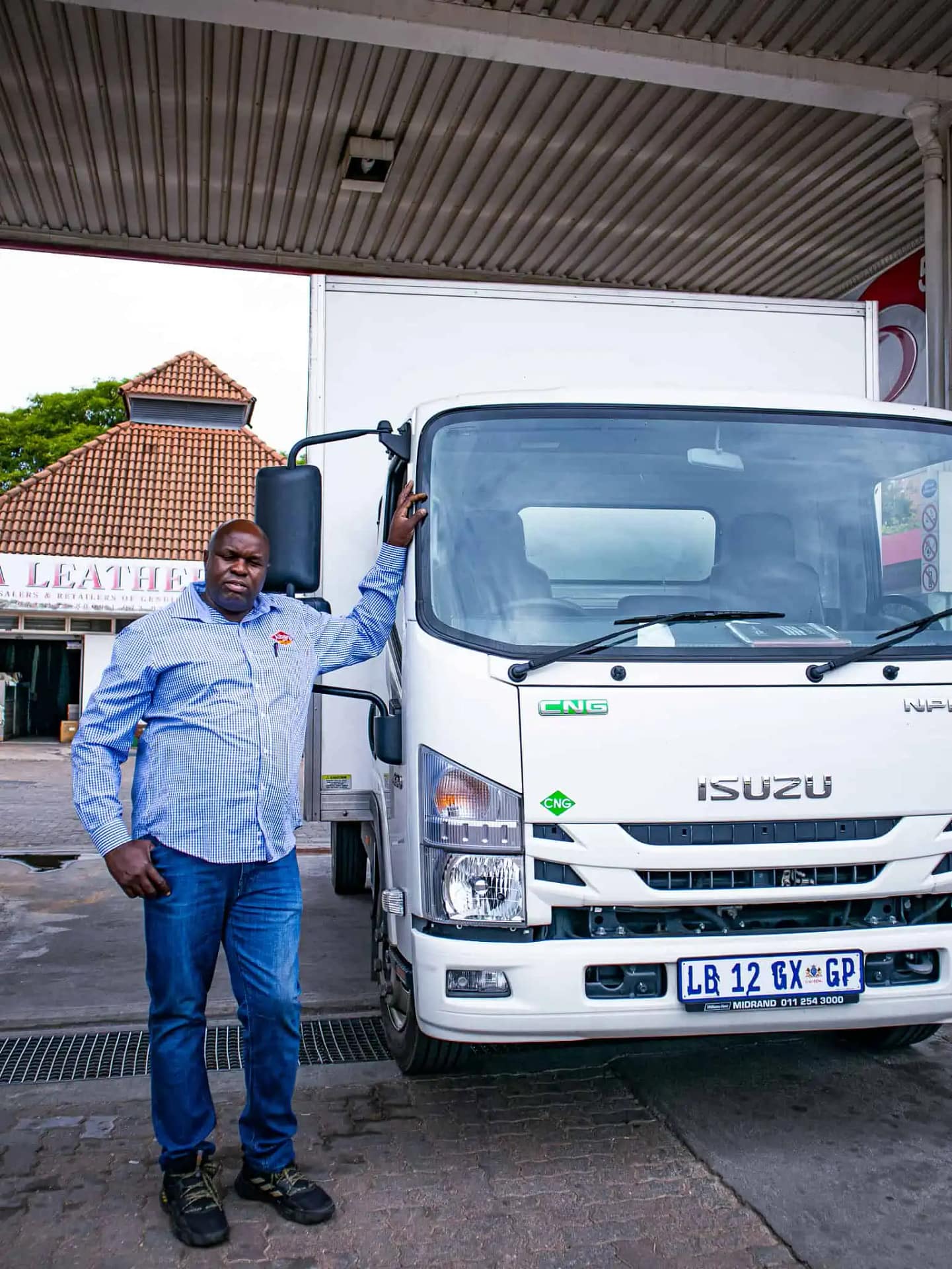
Discover how we can help your fleet save money and minimize its environmental impact
Learn more about how we can help your business save money while reducing your impact on the environment.

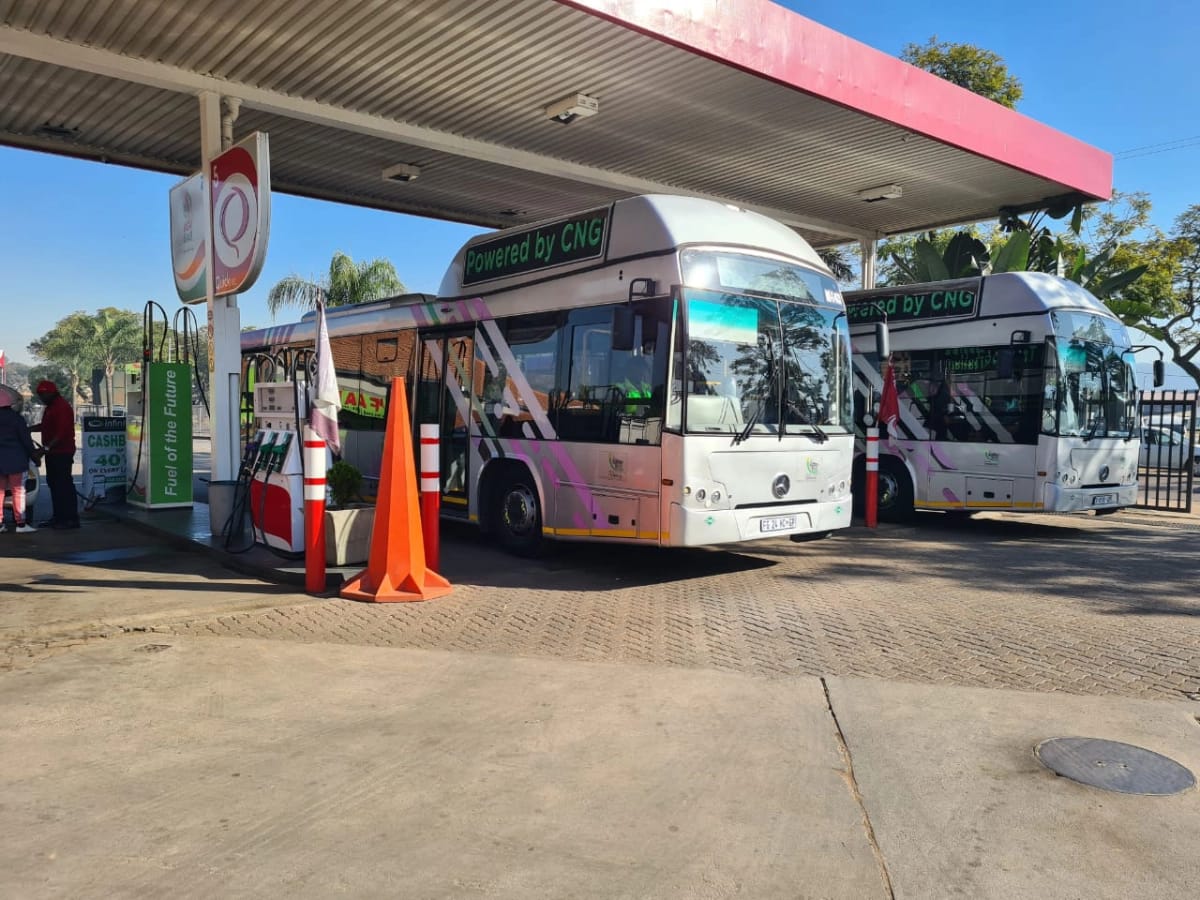
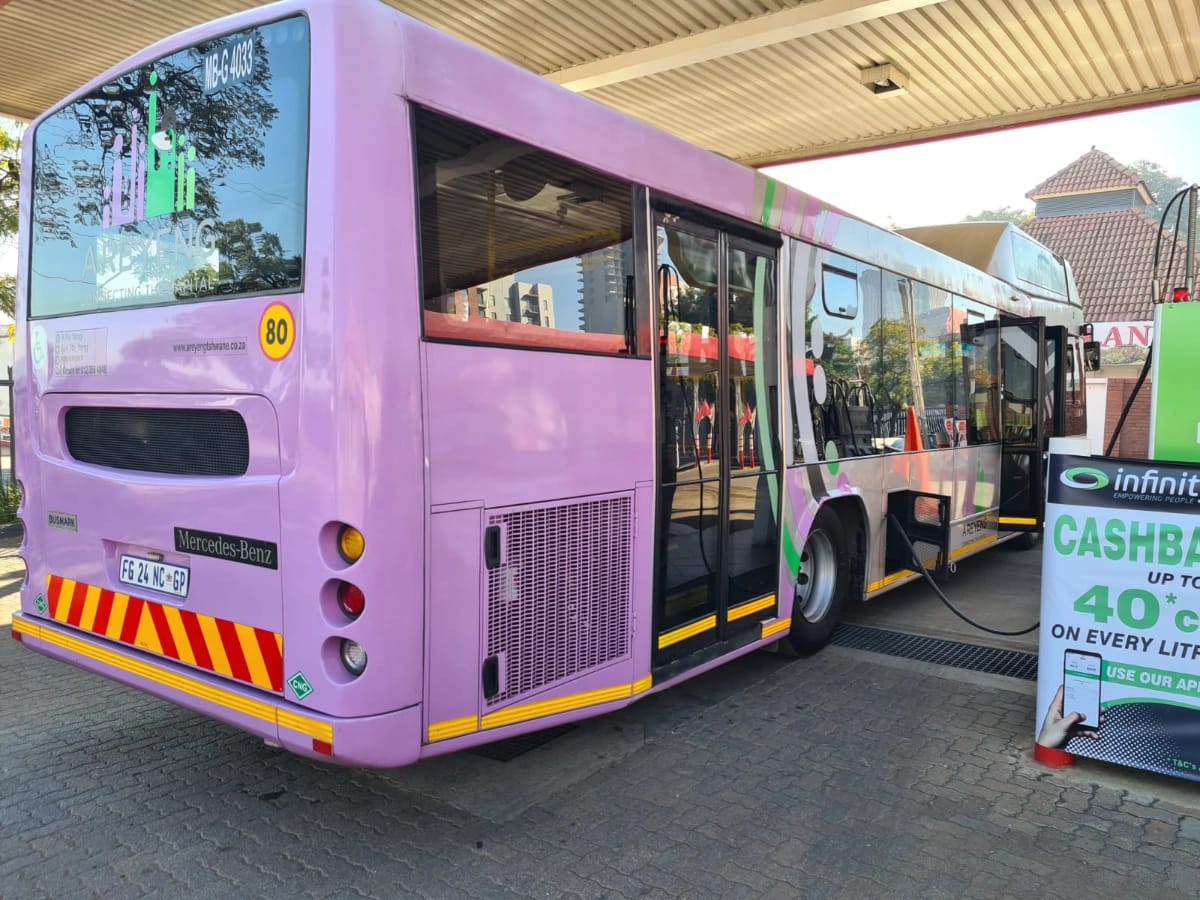
Using Compressed Natural Gas (CNG) or Liquid Natural Gas (LNG) as an alternative fuel source in your existing fleet is much simpler than most people may think. It offers a dual advantage of cost savings and environmental responsibility. With lower fuel costs and reduced emissions compared to traditional fuels, CNG presents a financially and environmentally sustainable solution for individuals and businesses alike. By embracing CNG technology, stakeholders can drive towards a cleaner, more efficient energy future while simultaneously benefiting their bottom line. Contact Gaslinx today to learn more about how we can help your business save money while reducing your impact on the environment.
Gaslinx is dedicated to reducing carbon footprints and promoting eco-friendly practices.
With rising fuel costs and environmental concerns, Gaslinx offers a financially viable solution.
Gaslinx offers scalable solutions that can accommodate businesses of all sizes, from small enterprises to large corporations.
We strive to build long-lasting relationships based on trust, transparency, and reliability.


Compressed natural gas (CNG) and Liquid natural gas (LNG) produces about 24% less carbon dioxide than diesel. It also emits significantly lower levels of nitrogen oxides, sulphur oxides and has no particulate matter when compared to traditional fuels like diesel and petrol. Not only is CNG/LNG cleaner, but it has also been up to 50% cheaper than traditional fossil fuels in recent times.
Savings can vary based on price, but in recent years, CNG/LNG has proven to reduce total fuel costs for fleets by between 18% and up to 50%.
A dual-fuel vehicle is a diesel vehicle converted to use both diesel and CNG/LNG. It typically uses a mix of CNG/LNG and diesel simultaneously, and when the CNG/LNG is depleted, the vehicle continues to run on diesel.
A bi-fuel vehicle is a petrol vehicle converted to use both petrol and CNG. It operates on 100% CNG until CNG it is depleted, after which it continues running on petrol.
A CNG-dedicated vehicle is a vehicle that can only run on CNG and cannot use diesel or petrol.
CNG is generally sold as a litre equivalent, which describes its energy content in comparison to 1 litre of unleaded 95. This means a vehicle will travel the same distance using the 1 litre equivalent of CNG as it would with 1 litre of unleaded petrol.
Yes. It’s considered one of the safest transportation fuels for various reasons. Firstly, natural gas is lighter than air, making it disperse into the atmosphere in case of a leak in the tank. CNG/LNG has very high ignition temperatures, which makes it unlikely to ignite. It also needs the right mixture of oxygen and natural gas to be flammable. Natural gas is non-toxic and doesn’t contaminate soil or water. Very high safety standards are used in producing CNG/LNG cylinders, making them less prone to leaks or ruptures.
Yes and No. CNG vehicles from branded vehicle manufacturers are available in South Africa. The availability of LNG vehicles is still currently limited.
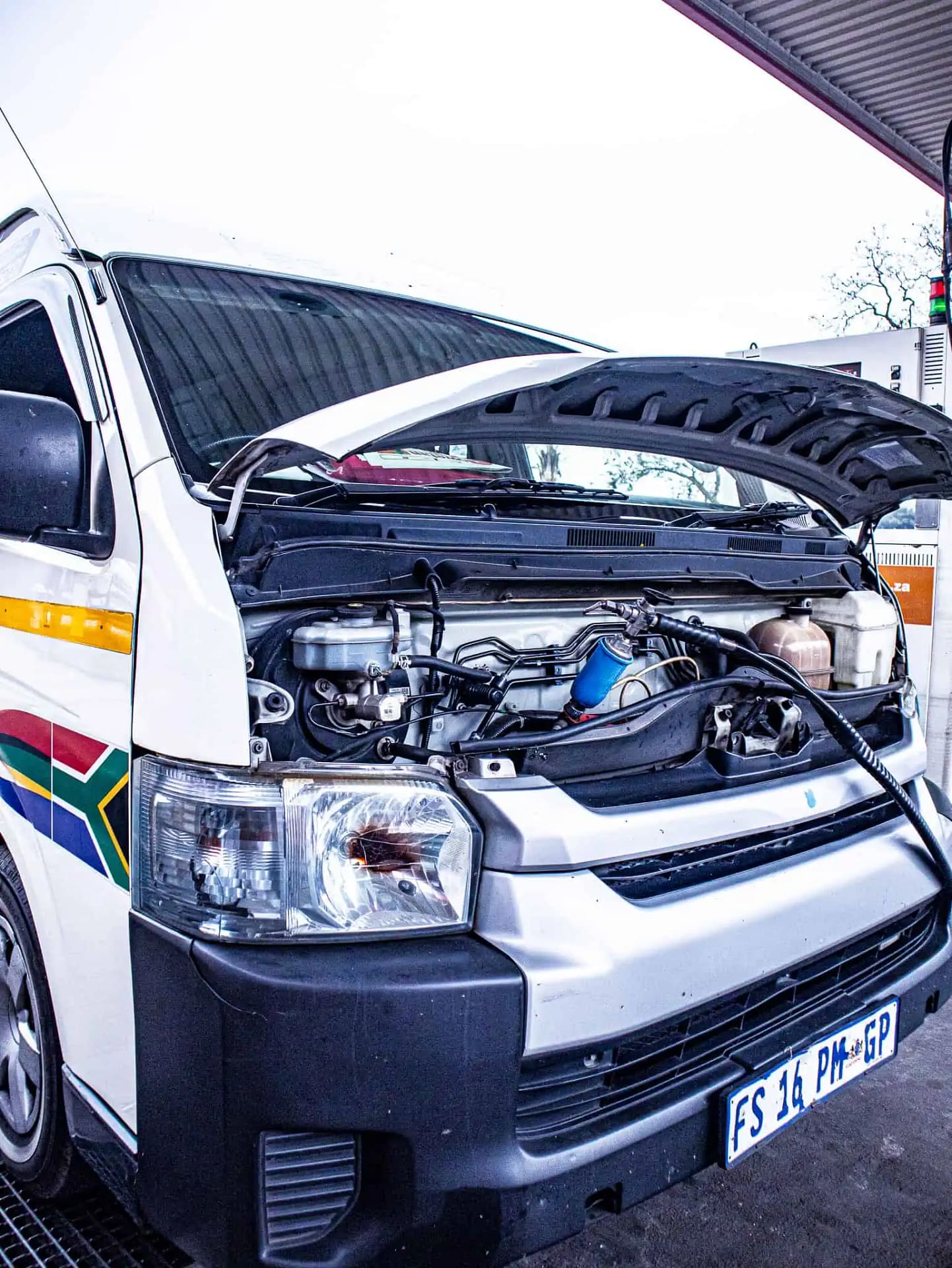
Yes. There is no need to purchase a new vehicle when considering adopting CNG or LNG. Most vehicles can be converted to run as hybrids using a combination of petrol, diesel, or CNG/LNG.
The cost of conversions varies depending on vehicle size and type. It’s best to contact us for a customized quote.
Certain vehicle brands will keep their warranties. It is best to consult us first on your vehicle’s warranty.
CNG has been used as an alternative fuel in vehicles since the early 1970s and 1980s. It has gained popularity due to its lower cost and low carbon emissions in recent years, with South Africa introducing its first CNG vehicles in the early 2000s.